
Plant Selection
Why regionally native perennials such as Asclepias, Echinacea, and Solidago tend to match the foraging needs of local bees and butterflies.
Native plants for Canadian gardensPractical notes on choosing native plants, sequencing bloom across the season, and shaping habitat layouts suited to Canadian yards and growing zones.

Each topic collects observations that apply to home gardens, boulevard strips, and small restored meadows in temperate Canadian regions.
Why regionally native perennials such as Asclepias, Echinacea, and Solidago tend to match the foraging needs of local bees and butterflies.
Native plants for Canadian gardens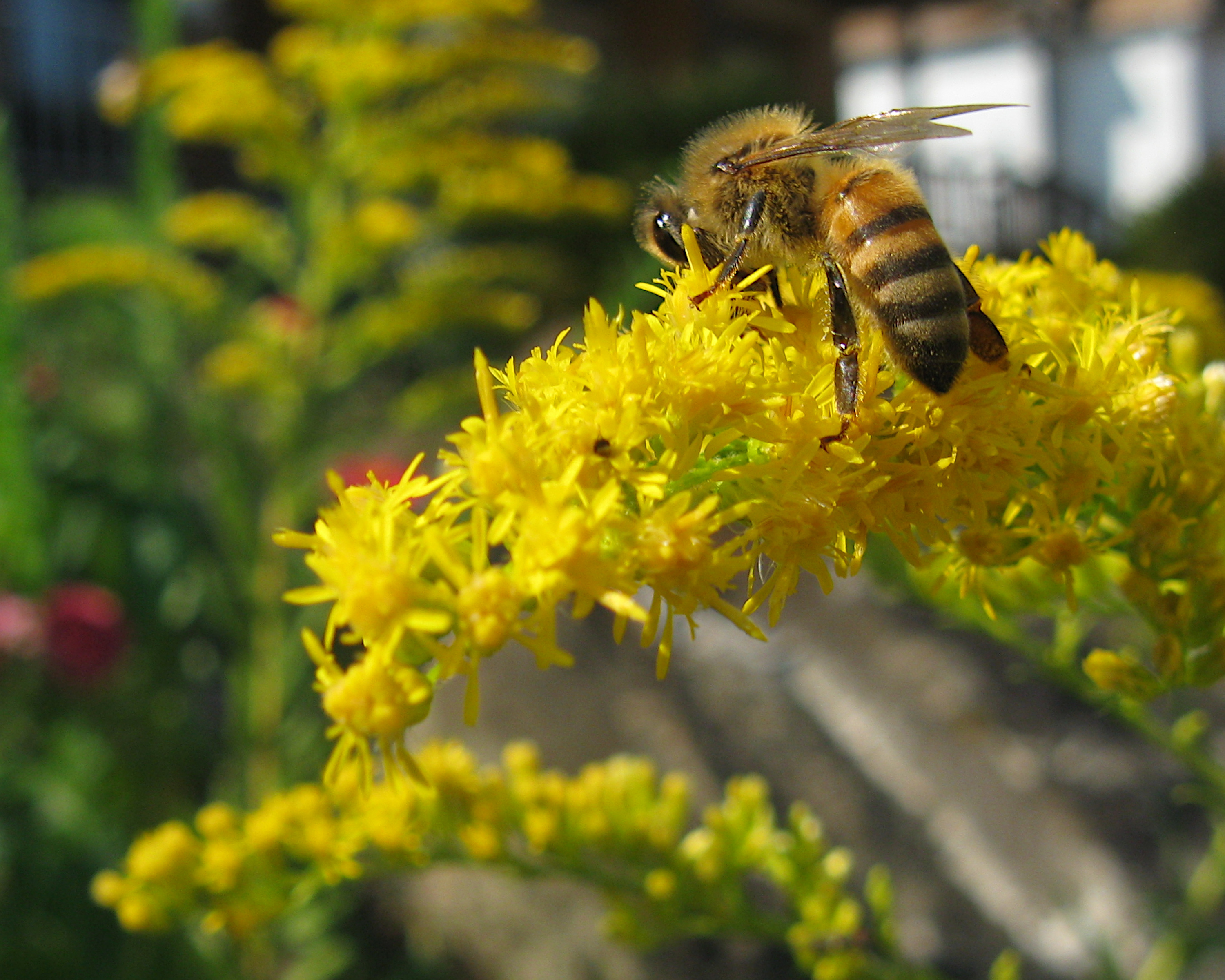
How to overlap early, midsummer, and late-season flowers so nectar and pollen stay available from snowmelt through the first frosts.
Bloom timing through the season
Arranging drifts, nesting habitat, and undisturbed edges so a planting works as shelter as well as a food source.
Habitat-friendly layoutsThe pages here describe widely documented planting approaches rather than fixed rules. Soil, exposure, and the species already present in a region all shape what works, so the notes point toward decisions rather than guarantees.
Sources are limited to public guidance from the Government of Canada and the Pollinator Partnership, alongside plant descriptions that can be checked independently.
Readers planning a backyard border, a school plot, or a small restored field will find layout sketches, plant groupings, and seasonal checklists that translate to modest spaces.
Send a note with details about your site and the question you are working through. Replies are informational and based on the same public references cited across this site.